

Scrubs
Best Scrubs for CNAs and Caregivers

The best scrubs for CNAs and caregivers are the ones that hold up to the realities of hands-on care: quick turns, repeated bending, transfers, and constant pocket use. The most reliable sets usually combine stretch that rebounds, breathable fabric that dries fast, and a stable fit that does not shift when movement gets repetitive. The goal is simple: scrubs that work through the full shift without becoming a distraction.
Quick Answer
For CNA and caregiver work, scrubs tend to perform best when they have:
- Stretch with strong shape recovery (movement without bagging at knees or seat)
- Breathable, moisture-managing fabric (less cling and heat buildup)
- A secure waistband (wide elastic plus a drawstring that holds)
- Purposeful pockets (usable storage without pulling the garment)
- Durable stitching and fabric (built for frequent washing)
- A mobility-friendly cut (room through shoulders, hips, thighs, and knees)
What matters most when choosing scrubs for CNA shifts?
CNA work is practical. Scrubs are working gear. The most useful criteria are those that affect movement, pocket carry, and late-shift comfort.
Mobility built for hands-on tasks
Caregiving involves repeated reach-and-bend patterns that expose tight seams and restrictive cuts. Tops that pull across the upper back become noticeable during repositioning and bed side care. Pants that resist knee bend make squatting and lifting feel harder than it needs to be. A mobility-friendly cut paired with stretch reduces pulling and reduces the urge to constantly readjust.
The late shift consistency test
A set that passes the late-shift test tends to remain consistent across three areas: the knees, the waistband, and the upper back. When the stretch has recovered, the knees do not bag out. When waistbands are stable, pockets do not drag the fit down. When tops fit correctly across the shoulders, reaching does not tug at seams.
What fabric is best for CNAs and caregivers?
Fabric choice affects heat resistance, flexibility, and how scrubs behave after frequent laundering. For CNA work, fabric is less about feel in the store and more about how it performs after friction, heat, and repeated washing.
Performance blends that move and rebound
Many CNAs prefer performance blends because they flex during bending and lifting, then rebound instead of staying stretched out. That “bounce back” is what helps scrubs feel normal later in the shift rather than loose at the knees or seat.
Breathability that stays comfortable as the pace increases
Breathable, quick-drying fabric often feels lighter over time. When rooms run warm or the shift stays busy, moisture management matters because it reduces cling and helps scrubs stay comfortable through long stretches of movement.
Softness that does not sacrifice durability
Softness helps, but softness alone can be misleading. Some very soft fabrics wrinkle easily, trap heat, or lose shape quickly. For CNA work, the better target is soft, breathable plus resilient.
Which scrub features reduce friction during hands-on care?
“Features” sound cosmetic until they prevent a real irritation during a busy shift. For CNAs, the most valuable features are those that maintain a stable fit and a smooth workflow.
Pocket structure that does not tug the fit
Pocket needs depend on what gets carried every day. More pockets are not automatically better, because too many poorly placed pockets can create clutter and affect how scrubs hang and move. The most useful pockets tend to be reinforced, placed where weight does not twist fabric, and deep enough to hold essentials securely.
Waistbands that stay secure under load
Waistbands become obvious when they roll, slip, or pinch, especially when pockets carry weight all day. Wide elastic spreads pressure, while a drawstring adds control without over-tightening. Stability here can be the difference between “set it and forget it” and constant adjusting.
Pants construction that supports bending and stepping
Pants usually feel better when the hips allow a full step and the knees bend without resistance. Recovery matters here, too: fabric that stretches but does not rebound can end up sloppy and uncomfortable later.
How should scrubs fit for CNAs and caregivers?
Fit is not about looking tailored. Fit is about range of motion, coverage, and stability during repetitive movement.
Tops that allow reach without pulling
Tops tend to work best when shoulders allow easy arm movement without tugging at seams and the length provides coverage during bending. If you feel tightness across the upper back when you reach, it usually becomes more annoying as the day goes on.
Pants that move with you and stay put
Pants usually feel best when the waistband sits comfortably, hips allow a full step, and knees bend without tension. If pants restrict movement early, they tend to feel worse later. A comfortable fit that supports ease of movement is typically more practical than overly tight or overly loose scrubs.
Are jogger scrubs a good option for CNAs?
Joggers can be practical, but the better choice depends on comfort preferences and the work environment. The key is whether the style supports the pace and the setting.
When joggers help most
Joggers are often chosen because tapered legs can reduce fabric drag, and cuffs can help hems stay away from shoes. This can feel cleaner and less distracting during fast movement.
When straight-leg pants make more sense
Straight-leg pants often feel better for people who want more airflow through the calves or prefer a classic, less tapered feel. They can also layer more comfortably in cooler settings.
Jogger vs straight leg comparison
| Decision factor | Jogger scrubs | Straight leg scrubs |
| Hem control | Cuffed, less drag | Open hem, length matters |
| Feel during movement | Secure and stable | Roomier |
| Airflow | Moderate | Often higher |
| Best for | Fast-paced shifts | Layering and room preference |
| Common drawback | Cuff sensitivity | Hem can brush shoes |
Which scrub brands do CNAs and caregivers commonly compare?
Many healthcare professionals compare brands that consistently focus on stretch, comfort, and durable construction. Brands such as Maevn, Med Couture, and Healing Hands are often evaluated because their collections tend to emphasize mobility-friendly fits and practical features for long shifts.
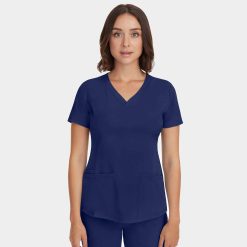
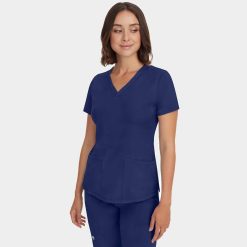
For CNA and caregiver needs, two examples that align with common decision criteria are Med Couture scrubs in the Insight collection and Healing Hands scrubs from the HH Works line, since both collections are positioned around work-ready comfort and practicality for frequent wear.

How can CNAs choose scrubs based on their daily setting?
CNA roles differ across long-term care, assisted living, and home care. Matching scrubs to the setting tends to make comfort more predictable.
Long-term care priorities
Long-term care typically includes repeated transfers and repositioning. Stretch with recovery, stable waistbands, and durable seams tend to matter most because friction and movement are constant.
Assisted living and memory care priorities
Assisted living and memory care often involve steady walking, frequent check-ins, and warm rooms. Breathability and moisture management can become more important as heat builds gradually throughout the day.
Home health and caregiver visit priorities
Home visits involve variable temperatures and different environments. A versatile fit that layers easily and pockets that carry essentials without bulk tend to be more useful than a single “perfect” feature.
FAQs
What are the best scrubs for CNAs?
The best scrubs for CNAs are usually those with stretch that rebounds, breathable fabric, and durable construction that withstands frequent washing. CNAs often benefit from stable waistbands and purposeful pockets because they move and carry essentials throughout the shift. Lists of “best scrubs for CNAs” commonly emphasize comfort, fit, and durability.
How should scrubs fit for caregiving work?
Scrubs should fit comfortably without restricting movement, especially across the shoulders and hips. Tops should allow reaching without pulling at seams, and pants should allow bending without resistance. A fit that is neither too tight nor too loose is commonly recommended to maintain easy mobility while still maintaining a professional look.
Are jogger scrubs appropriate for work?
Jogger scrubs can be appropriate in many healthcare settings, but appropriateness depends on the workplace dress code and whether the style supports daily tasks. Guidance on jogger scrubs often frames the decision around balancing comfort, functionality, and professionalism for the specific environment.
How many pockets should scrubs have?
Pocket needs depend on the workflow. Practical guidance often recommends choosing pockets by need, not just by count, because too many pockets can create clutter and affect fit. Some pocket guides recommend ranges like 4–8, depending on role and what gets carried, but placement and structure matter as much as the number.
What is the best fabric for scrubs?
The best scrub fabric depends on priorities, but many fabric guides point to polyester spandex blends or similar performance blends for a balance of stretch, moisture management, and durability. Cotton blends can feel soft and breathable, but performance blends are often favored for consistent movement and easy care.
Conclusion
The best scrubs for CNAs and caregivers tend to be the sets that stay consistent through real work: mobility without pulling, breathability without cling, pockets that carry essentials without sag, and durability that holds up to frequent washing. When fabric rebounds after movement and fit stays stable, scrubs feel less like something to manage and more like something that supports the shift.