


No products in the cart.
Scrubs
Best Scrubs for Vet Techs: What Should Veterinary Professionals Look For?
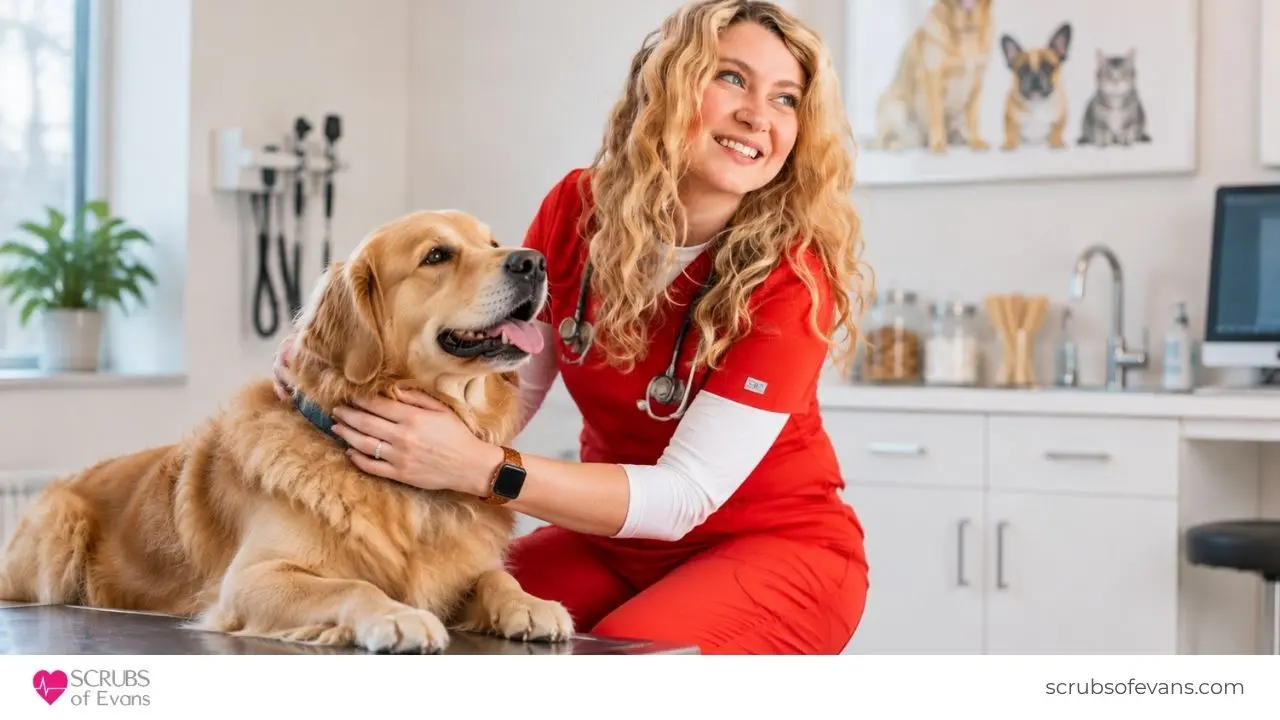
The best scrubs for vet techs combine comfortable movement, durable fabric, breathability, practical storage, and easy-care performance. Veterinary professionals spend much of the day standing, walking, bending, reaching, and handling animals, so uniforms need to support active work while remaining comfortable through long shifts and frequent laundering.
Quick Answer
The best scrubs for vet techs typically offer:
- Stretch fabric for bending, reaching, and crouching
- Breathable materials for active workdays
- Durable construction for frequent washing
- Secure pockets for everyday essentials
- Comfortable waistbands and practical fits
- Easy-care fabrics that maintain their shape
What Makes Scrubs Suitable for Veterinary Work?
Veterinary technicians have physically active workdays that place repeated demands on their uniforms. A shift can involve assisting with examinations, restraining animals, preparing treatment areas, cleaning, carrying supplies, and helping with procedures.
These responsibilities make mobility, comfort, and durability important when selecting workwear. The most practical veterinary scrubs provide enough flexibility for movement while using materials that can withstand regular washing and everyday wear.
How Does Stretch Fabric Support Veterinary Work?
Stretch fabric allows a scrub garment to flex with the body during bending, reaching, crouching, and kneeling. This is useful for vet techs who frequently change positions while assisting animals or performing clinical tasks.
Stretch is particularly helpful around the shoulders, back, hips, thighs, and knees. A flexible garment can reduce pulling in these areas without requiring an oversized uniform.
Why Does Durability Matter?
Veterinary scrubs may encounter fur, dirt, moisture, cleaning products, and other substances during normal work. Frequent laundering can also contribute to fabric and seam wear.
Durable construction helps uniforms maintain their shape and appearance through repeated use. Strong stitching and reliable fabric recovery are useful qualities for veterinary workwear.
Why Is Comfort Important for Vet Techs?
Vet techs often spend hours standing and moving between different areas of a veterinary workplace. Comfort depends on how the uniform performs while walking, bending, reaching, standing, and changing positions.
What Makes a Scrub Fit Comfortable?
A scrub top should allow natural arm movement without pulling across the shoulders or upper back. Pants should provide sufficient room through the hips, thighs, and knees for bending and crouching.
A larger size is not automatically more comfortable. Excess fabric can become inconvenient during hands-on work, while clothing that is too fitted can restrict movement. A balanced fit provides room to move while keeping the garment secure.
Why Do Lightweight Fabrics Matter?
Heavy fabric can become uncomfortable after several hours of standing and movement. Lightweight materials feel less cumbersome during active shifts while still offering enough substance for regular veterinary use.
The most practical material balances weight with durability. A lightweight scrub that wears out quickly may be less useful than one that provides structure while remaining comfortable.
What Scrub Features Are Most Useful for Vet Techs?
Good veterinary scrubs should provide practical features that support everyday work. Pocket placement, waistband construction, and pant design can affect both comfort and functionality during a busy shift.
How Important Are Secure Pockets?
Vet techs may carry pens, markers, scissors, small tools, or other approved work items. Secure pockets keep frequently used items accessible without requiring repeated trips to another workstation.
Pocket placement matters as much as the number of pockets. A useful pocket should remain comfortable while bending or crouching and should not interfere with movement.
Do Flexible Waistbands Improve Comfort?
A waistband needs to remain comfortable as the wearer changes positions. Veterinary technicians may stand, sit, crouch, and bend repeatedly throughout a shift.
Stretch waistbands, elastic sections, and drawstring designs can add flexibility while keeping pants secure. The waistband should support movement without creating unnecessary pressure.
Which Fabric Is Best for Veterinary Scrubs?
No single fabric works equally well for every vet tech. The right material depends on movement requirements, laundering frequency, desired fabric feel, and workplace conditions.
Are Stretch Blends Useful for Vet Techs?
Polyester-spandex and similar blends can combine flexibility with structure. Stretch varies by fabric construction and garment design, so fiber content alone doesn’t determine how flexible a scrub will feel.
For veterinary professionals, stretch can be particularly useful around the hips, knees, shoulders, and back. Flexible fabric allows natural movement without requiring a loose-fitting uniform.
Is Polyester Durable Enough for Veterinary Work?
Polyester is widely used in healthcare apparel because it can provide durability and shape retention. It can also be practical for garments that require regular laundering.
Durability should be considered alongside breathability and comfort. A fabric that withstands repeated washing but feels heavy or uncomfortable during an active shift may not be the most practical choice.
Are Soft Performance Fabrics Worth Considering?
Some professionals prefer fabrics that combine flexibility with a softer feel. This can be useful for vet techs who wear scrubs for extended periods.
Healing Hands scrub styles provide another option for healthcare professionals who prioritize softness and comfortable everyday wear.
Should Vet Techs Choose Jogger or Traditional Scrub Pants?
Both joggers and traditional scrub pants can work well for veterinary professionals. The right style depends on your preferred fit, movement needs, and lower-leg design.
What Are the Benefits of Jogger Pants?
Jogger scrubs typically feature a tapered lower leg with an elasticized or fitted cuff. The design reduces excess material around the ankles and creates a more modern silhouette.
For active vet techs, a tapered leg can help keep excess fabric away from the lower leg. The pants should still provide enough room through the hips and thighs for bending, crouching, and kneeling.
When Do Traditional Pants Make Sense?
Straight-leg and traditional scrub pants provide a familiar uniform appearance with more room around the lower leg. They may appeal to professionals who prefer a relaxed fit or don’t like elastic cuffs.
Traditional pants work well when the overall fit provides enough room for movement. The choice between silhouettes generally comes down to work requirements and personal preference.
What Should Vet Techs Check When Choosing Scrub Sizes?
Correct sizing affects mobility, comfort, and appearance. Even flexible fabric can feel restrictive if the garment is too small or become inconvenient if it is excessively large.
How Should the Top Fit?
The top should allow comfortable arm movement without pulling across the shoulders, chest, or back. Raising the arms and reaching forward should not create excessive tension.
If the top restricts normal movement, a different size or cut may provide a better fit. The goal is enough room for activity without unnecessary excess fabric.
How Should Scrub Pants Fit?
Pants should remain secure while walking, bending, and crouching. The waistband should feel comfortable during movement rather than constantly shifting or pressing against the body.
The hips and thighs also need enough room for active work. Vet techs who frequently crouch or kneel may benefit from additional flexibility in these areas.
How Important Is Easy-Care Performance?
Veterinary professionals may need to launder uniforms frequently, making easy-care construction an important consideration. Fabrics that maintain their appearance after repeated washing can simplify regular uniform rotation.
Does Wrinkle Resistance Matter?
Wrinkle-resistant materials can help scrubs maintain a cleaner appearance after washing and drying. This is useful for professionals who want uniforms that require minimal preparation before a shift.
Easy-care fabric does not eliminate proper laundering, but it can reduce maintenance between workdays.
Can Quick-Drying Fabric Help?
Quick-drying materials can be useful when several scrub sets need to be washed regularly. Faster drying can make it easier to maintain a consistent supply of clean uniforms.
Performance-focused options such as Epic by IRG scrub styles provide features suited to professionals who value lightweight wear, flexibility, and practical care.
Which Scrub Features Matter Most for Different Veterinary Roles?
Veterinary professionals have different daily responsibilities, so uniform priorities can vary. A technician assisting with procedures may have different needs from someone working primarily in examinations or animal care.
| Work priority | Useful scrub feature | Why it matters |
| Frequent bending | Stretch fabric | Supports movement through hips and knees |
| Long periods standing | Lightweight construction | Provides comfortable extended wear |
| Hands-on animal care | Durable fabric | Handles repeated wear and washing |
| Carrying small items | Secure pockets | Keeps essentials accessible |
| Active workdays | Breathable material | Supports everyday comfort |
| Frequent laundering | Easy-care fabric | Simplifies uniform maintenance |
| Modern fitted style | Stretch construction | Provides flexibility with a closer silhouette |
| Relaxed fit | Traditional cut | Offers additional room and classic styling |
Are Performance Scrubs Useful for Veterinary Professionals?
Performance scrubs can be useful for vet techs because several features address common demands of veterinary work. Stretch, lightweight construction, durability, and easy-care materials can each contribute to a practical uniform.
What Does Epic by IRG Offer?
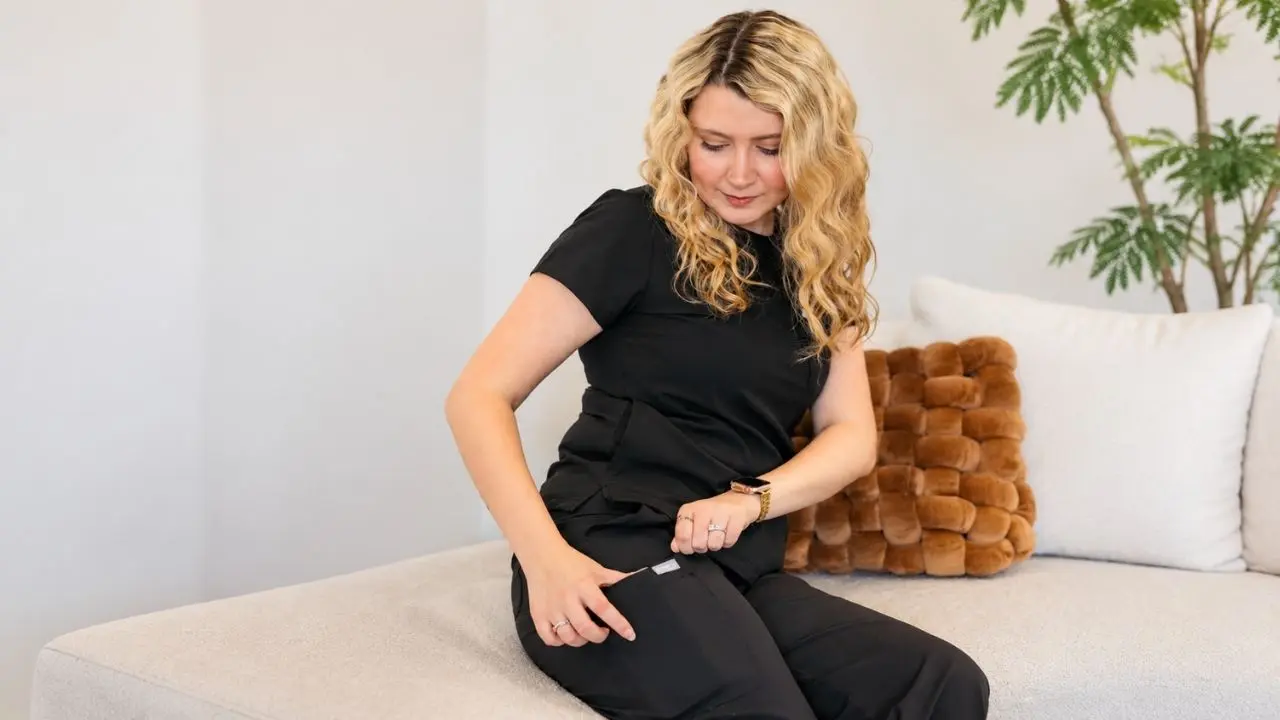
Epic by IRG is a performance-oriented collection with stretch, lightweight construction, and easy-care performance. These qualities can suit professionals who spend much of their workday moving between hands-on tasks.
Veterinary professionals can consider these features alongside fit, fabric feel, pocket design, and workplace requirements. A performance-focused scrub isn’t automatically right for everyone, but its construction can support active routines.
Should Vet Techs Choose the Right Scrubs?
The best scrubs for vet techs should match the physical demands of veterinary work, not appearance alone. Movement, durability, breathability, storage, fit, and maintenance all influence how well a uniform performs throughout a shift.
Before choosing a scrub set, consider:
- Movement: Does the fabric allow comfortable bending, reaching, crouching, and kneeling?
- Fit: Does the uniform stay secure without restricting movement?
- Fabric: Is it breathable and comfortable for an active workday?
- Durability: Can it handle frequent washing and regular veterinary use?
- Storage: Are the pockets secure and conveniently positioned?
- Maintenance: Does the material resist wrinkles and dry efficiently?
- Work requirements: Does the style meet workplace dress and safety requirements?
For veterinary professionals, a practical scrub uniform balances mobility, comfort, durability, storage, and maintenance rather than relying on a single feature.
FAQs
What are the best scrubs for vet techs?
The best scrubs for vet techs combine stretch, breathability, durability, practical pockets, and comfortable fit. Veterinary technicians often spend much of the day walking, bending, reaching, crouching, and handling animals, so uniforms should support movement while tolerating frequent washing and everyday wear.
Are stretch scrubs good for veterinary technicians?
Stretch scrubs can be useful for veterinary technicians because they allow greater flexibility during bending, reaching, crouching, and lifting. Quality stretch fabric should also recover its shape after movement.
What fabric is best for vet tech scrubs?
A durable, breathable stretch blend can be practical for many vet techs. Polyester-spandex blends offer flexibility and shape retention, while different constructions provide varying levels of softness and breathability.
Should vet techs wear jogger scrubs?
Vet techs can wear jogger scrubs when the style meets workplace requirements and provides sufficient room for movement. The tapered leg can reduce excess fabric around the lower legs, which some active professionals prefer.
How often should vet techs replace their scrubs?
No universal replacement schedule exists for scrubs. Vet techs should consider replacing uniforms when fabric becomes worn, seams weaken, elastic loses its recovery, stains cannot be adequately removed, or the garment no longer fits properly.
Conclusion
Veterinary work demands more from scrubs than simply looking professional. The right pair should move with you, hold up when the work gets messy, and stay comfortable when the shift runs long. Prioritize stretch for mobility, breathable fabric for active days, durable construction for repeated washing, and pockets that work as hard as you do.
When those essentials are covered, the best scrubs disappear into the background and keep the focus on the animals and the work.