


No products in the cart.
Scrubs
Best Scrubs for Veterinary Professionals
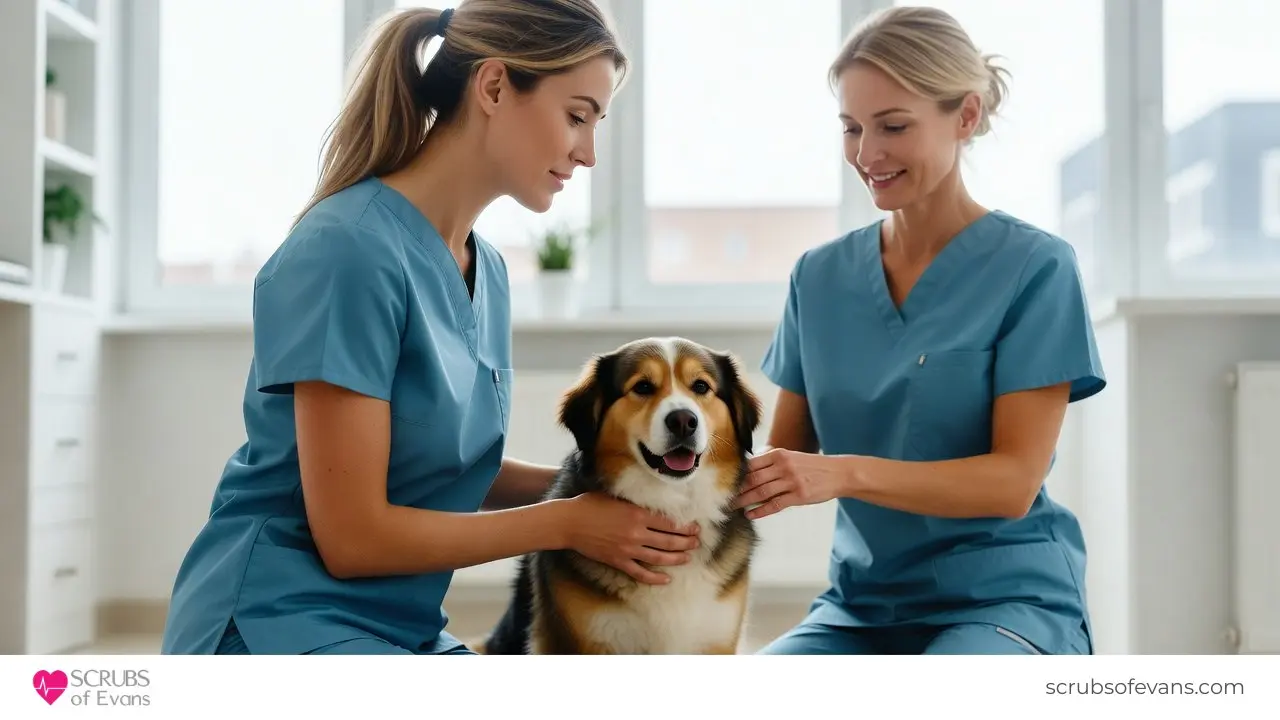
The best veterinary scrubs are the ones that stay comfortable through kneeling, lifting, quick movement, and frequent cleaning while still looking professional in a client-facing clinic. Veterinary professionals usually do best with breathable fabric, stretch that keeps its shape, practical pockets, and a fit that stays steady during long active workdays.
Quick Answer
Veterinary professionals usually do best with scrubs that combine breathable fabric, stretch with good recovery, and a stable fit that stays comfortable during kneeling, lifting, and long hours on the floor. The most practical sets also have secure pockets, easy-care durability, and enough structure to keep a clean, professional look in client-facing settings.
What should you prioritize first in veterinary scrubs?
If you want veterinary scrubs that work well in a real clinic, start with the features that affect comfort and function all day, not just how the set looks when it is brand new.
- Breathable fabric that feels manageable during active shifts
- Stretch with recovery so knees, seat, and elbows do not loosen too quickly
- A stable waistband that stays comfortable during standing, crouching, and seated charting
- Pockets that hold essentials securely without dragging the fit out of place
- Durable fabric and seams that handle frequent washing
- A clean, professional silhouette that still allows easy movement
What makes scrubs practical for veterinary work?
Veterinary work puts more varied physical demands on scrubs than many people expect. A normal day may include kneeling beside an animal, leaning across an exam table, lifting supplies, walking quickly between rooms, cleaning up, and switching from treatment tasks to client-facing moments without much downtime. Scrubs that work well in this setting usually succeed because they reduce minor annoyances before they become real discomfort.
Movement support for fast and awkward positions
Veterinary professionals rarely move in one predictable pattern. The work can involve kneeling low, stepping around equipment, leaning forward repeatedly, and reacting quickly when an animal changes position. That means the shoulders, hips, and knees all need room to move without the fabric fighting back.
Scrubs that feel good in this setting usually allow motion without becoming loose or sloppy later. A top should not pull across the upper back every time you reach, and pants should not resist movement when you crouch or pivot. When that balance is right, the scrubs feel supportive rather than distracting, which matters more as the day gets busier.
Comfort that lasts beyond the first hour
Some scrubs feel fine at the start of the shift and frustrating by midday. That usually happens when the waistband starts to roll, the knees begin to sag, or the fabric starts to feel clingy after repeated movement. In veterinary settings, comfort is less about softness alone and more about whether the set feels consistent across different tasks.
That consistency matters because veterinary work includes long-standing periods, brief seated charting, active movement, and frequent task changes. Scrubs that stay comfortable in all of those moments tend to become the reliable pair you reach for repeatedly.
A look that still feels professional in front of clients
Veterinary teams work in a hands-on environment, but appearance still matters. Clients notice whether the team looks clean, composed, and prepared. Scrubs that wrinkle too easily, sag quickly, or look worn after a short time can make a set feel less appropriate even if the fabric is technically comfortable.
A professional look usually comes from structure and balance. Flat pockets, fabric that drapes neatly, and a fit that stays steady through the day all help scrubs look cleaner without making them feel stiff or overly formal.
What fabric is best for veterinary scrubs?
Fabric affects heat, flexibility, and how well scrubs hold up after repeated laundry. In veterinary environments, the best fabric is usually the one that stays comfortable during active work and still looks usable after frequent washing.
Breathable fabric for active clinic environments
Veterinary work often takes place in spaces where movement is constant and temperatures can shift throughout the day. Breathable fabric matters because heat builds gradually over long hours. When scrubs manage that buildup well, they tend to feel lighter and less clingy late in the day, especially during more physical routines.
Breathability also matters because veterinary professionals move between different zones in the clinic. Fabric that stays comfortable across those transitions is usually easier to wear than fabric that quickly feels heavy or sticky once the pace increases.
Stretch that rebounds instead of relaxing
Stretch is helpful in veterinary work because the day includes repeated bending, kneeling, lifting, and turning. The key detail is recovery. Fabric that stretches without returning to its original shape often starts to look loose at the knees and seat after several hours of movement.
Veterinary professionals usually benefit most from scrubs with enough flexibility to support movement and enough recovery to keep the fit stable later. That combination supports comfort and appearance simultaneously, which is especially useful when the day shifts between treatment work and client interaction.
Durability that survives frequent washing
Veterinary scrubs are often washed frequently, which quickly reveals their quality. Fabric that pills early, fades too fast, or loses structure can turn a promising set into an irritating one in a short time. Durable scrubs usually prove a better choice over time because they remain dependable after many laundry cycles.
Seams matter here too. Strong stitching helps the garment retain its shape under repeated stress, especially in areas that experience the most movement, such as the shoulders, knees, and pocket openings.
How should veterinary scrubs fit?
Fit in veterinary work should support movement first, but it also needs to look composed in front of clients. The best fit usually feels stable and balanced rather than tight or oversized.
Tops that allow reach without shifting
Veterinary professionals extend their arms constantly while working around animals, exam tables, and treatment stations. A top that pulls at the shoulders or upper back quickly becomes distracting. The best tops allow a full range of motion without tugging at the seams or riding up every time you lean forward.
Coverage matters too. If the top shifts too much during repeated movement, it becomes one more thing to manage in a day that already demands full attention. Stable coverage is one of the clearest signs of a top that truly works in veterinary settings.
Pants that stay comfortable through crouching and standing
Pants need to feel good in more than one position. They should allow stepping, kneeling, crouching, and standing without resistance at the hips or knees. If they feel a little restrictive early in the day, that usually becomes much more obvious later.
The waistband is just as important. A waistband that rolls, slips, or digs in becomes irritating fast, especially when you alternate between active tasks and short seated periods. Stable waist comfort is one of the most valuable fit details in veterinary scrubs.
End-of-day consistency through high-motion wear
A practical way to judge fit is to imagine how the scrubs will feel after multiple rooms, multiple tasks, and multiple hours. Scrubs that pass that late-day test usually avoid three common problems: knees that bag out, waistbands that roll, and tops that shift upward during repeated movement.
When a set still feels stable at the end of the shift, it usually means the fit and the fabric are working together properly. That matters more than how the scrubs look in a mirror before they have actually been worn.
What features matter most for veterinary professionals?
Veterinary scrubs should support real workflow without creating extra bulk or distraction. The most useful features are usually the ones that help you carry essentials, move easily, and keep the garment balanced.
Pocket layouts that support daily carry
Veterinary professionals often carry pens, a phone, notes, gloves, or small tools. Pockets matter most when they keep those items accessible without pulling the scrub top or pants out of alignment. A few well-placed pockets often work better than many soft pockets that sag once you use them.
That is one reason structured pocket design matters so much. Reinforced pockets usually carry weight more cleanly, which helps preserve both comfort and appearance over a long day.
Waist comfort that works across task changes
Veterinary work includes long-standing stretches, crouching, kneeling, and occasional seated documentation. A waistband that feels fine while standing can become distracting while seated or after the pockets are loaded. A stable waistband that stays comfortable across those changes is often one of the first things people notice when a scrub set truly works.
Easy-care wearability that stays neat
Veterinary professionals usually need scrubs that can be washed often without losing shape or looking worn out too quickly. Easy-care wearability matters because it keeps the daily routine simple while helping the scrubs stay presentable in a client-facing clinic. A scrub set that still looks neat after repeated washing tends to feel much more dependable over time.
Should veterinary professionals choose jogger or straight-leg scrubs?
Both styles can work well. The better choice usually depends on whether you prefer more hem control or a roomier lower-leg feel during the workday.
Joggers for active, movement-heavy routines
Joggers are often helpful because the cuff keeps the hem controlled. That reduces fabric drag and can make movement feel cleaner during fast-paced, active tasks. If you crouch, kneel, or walk quickly throughout the day, a controlled hem may feel less distracting than an open one.
Joggers also tend to feel more predictable in motion. For veterinary professionals who want the pant leg to stay out of the way, that stability can be a real advantage.
Straight-leg styles for airflow and a classic feel
Straight-leg styles often feel roomier and can provide more airflow through the lower leg. They also tend to read as more classic, which can suit teams that prefer a traditional clinic look. If you dislike ankle cuffs or want a looser feel through the calf, straight-leg styles often feel more comfortable for long wear.
What does the jogger versus straight-leg tradeoff look like?
| Decision factor | Jogger scrubs | Straight-leg scrubs |
| Hem control | Cuffed, less drag | Open hem, length matters |
| Feel in motion | More controlled | Roomier |
| Airflow | Moderate | Often higher |
| Best for | Active, movement-heavy days | Classic feel, layering |
| Common drawback | Cuffs are not for everyone | Hem can brush shoes |
Which scrub brands often make sense for veterinary work?
Veterinary professionals often look for scrubs that stay comfortable through active movement and still look composed in front of clients. Brands like Maevn, Med Couture, and Healing Hands are often mentioned for their work-ready fits and fabrics suited for long wear.
If you want a few practical directions to explore, Med Couture scrub styles and Healing Hands scrub styles are useful starting points for everyday comfort, stable fit, and repeat-wash durability. If a softer, comfort-first feel matters more, Maevn scrub collections can also fit long, active clinic days well.
What matters most on different veterinary workdays?
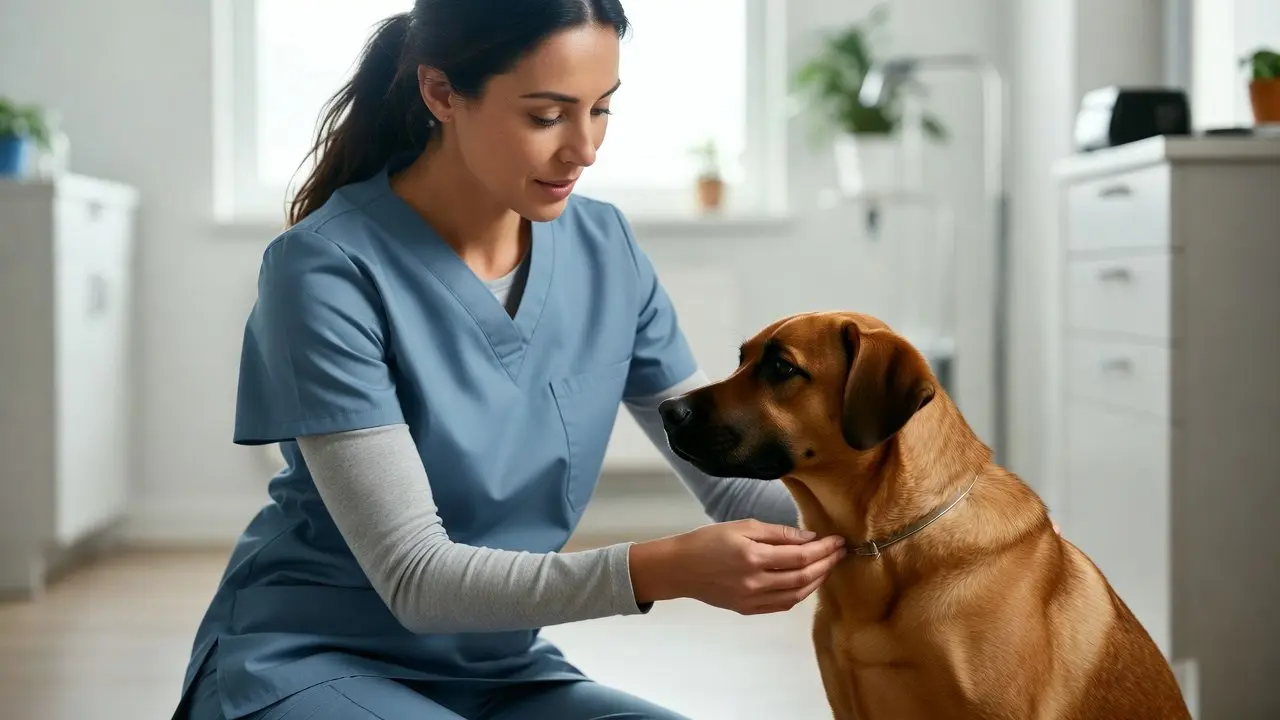
Not every veterinary day has the same rhythm. The most useful scrub features can shift depending on whether the day is exam-heavy, treatment-heavy, or more support-focused.
Exam-room-heavy days
On exam-room-heavy days, presentation and movement often matter equally. You want scrubs that look composed in front of clients and still feel easy during repeated reach-and-turn tasks. Breathability, stable fit, and a clean silhouette usually matter most here.
Treatment-heavy days
When the day is more physically demanding, mobility and fabric recovery become more important. Scrubs that keep their shape after bending, kneeling, and lifting tend to feel better across the entire shift. This is where movement support matters more than visual neatness alone.
Support and setup-heavy routines
Support-heavy days still involve movement, but durability and ease of wear often become priorities. A scrub set that withstands repeated laundering, keeps its shape, and feels comfortable during both movement and short seated tasks usually proves the most practical.
Which features line up best with each workday type?
| Workday type | Top priorities | Why it matters |
| Exam-room-heavy days | Clean silhouette + breathability + stable fit | Supports client-facing work and repeated movement |
| Treatment-heavy days | Mobility + recovery + durable seams | Handles bending, lifting, and long active periods |
| Support/setup-heavy routines | Easy-care durability + waist comfort + practical pockets | Stays comfortable through mixed tasks and frequent washing |
| Storage-heavy workflows | Pocket structure + waistband stability | Prevents sagging and constant readjusting |
FAQs
What are the best veterinary scrubs?
The best veterinary scrubs usually combine breathable comfort, stretch with good recovery, and a fit that stays stable through kneeling, reaching, and long periods on your feet. Veterinary professionals often benefit from practical pockets, durable seams, and fabric that withstand frequent washing without losing shape too quickly.
What fabric works best for veterinary scrubs?
Veterinary professionals usually do best with breathable fabrics that stay manageable during active shifts and frequent movement. Light stretch can help with bending and kneeling, but recovery matters so the fit stays consistent late in the day. Easy-care durability is also important because veterinary scrubs are washed regularly and need to stay presentable.
Are jogger scrubs good for veterinary professionals?
Jogger scrubs can work well for veterinary professionals who want controlled hems and less fabric drag on active days. The cuff can keep pant legs out of the way during crouching, kneeling, and fast movement. Straight-leg styles may feel better if you prefer more airflow or a more traditional silhouette.
How should veterinary scrubs fit?
Veterinary scrubs should allow easy movement without pulling at the shoulders, hips, or knees. Tops should maintain coverage during leaning and reaching, while pants should stay comfortable during standing, kneeling, and seated tasks. A stable waistband and fabric with good recovery help scrubs feel more consistent throughout a full workday.
How many pockets do veterinary scrubs need?
Pocket needs depend on workflow, but many veterinary professionals do best with a few well-placed pockets rather than many loose ones. Pockets should hold essentials without sagging or pulling the garment out of alignment. Reinforced pockets and balanced placement usually matter more than total pocket count in everyday clinic work.
Conclusion
The best veterinary scrubs are the ones that stay comfortable through active movement, hold up to frequent washing, and still look professional in a client-facing setting. Breathable fabric, stretch with recovery, stable waist comfort, and pockets that support real workflow usually matter more over time than any single style detail. When those basics are right, scrubs become one less thing to manage during a busy day.