

No products in the cart.
Scrubs
Best Scrubs for Medical Students

The best scrubs for medical students are those that meet rotation requirements, remain comfortable during long hours of walking and sitting, and remain clean after frequent washing. Medical students typically do best with breathable fabric, light stretch with good shape retention, and a stable fit that doesn’t shift during skills sessions, rounds, or study blocks.
Quick Answer
Medical students usually choose scrubs that have:
- Breathable fabric that stays comfortable under layers
- Light stretch with strong recovery, so the fit stays consistent
- A waistband that stays comfortable during long seated time
- Pockets that carry essentials without sagging
- Durable seams and fabric that hold up to repeated laundry
- A clean, professional silhouette that doesn’t look sloppy by midday
What matters most when buying scrubs for medical students?
Buying scrubs as a student differs from buying them as a full-time clinician. Schedules change, expectations vary by rotation, and your day can swing from a skills lab to clinical exposure to hours of lecture or studying. The smartest approach is to choose scrubs that flex with your week rather than locking you into a single narrow use case.
Rotation rules come before personal preference?
Some programs and sites assign scrub colors by role or training level, and the rules can vary based on your placement. That’s why the first filter is always compliance. A great-looking set that doesn’t match expectations becomes a useless purchase fast. If you’re not 100% sure, a cautious first buy is usually better than stocking up. One or two compliant sets let you confirm real requirements before committing to multiple sets.
Your day is a mix of movement and sitting?
Medical students don’t just walk. They also sit a lot. Lectures, note-writing, reading, waiting, chart review, studying. Scrubs that feel fine while standing can become uncomfortable when seated for long periods if the waistband digs in or the fabric bunches. A student-friendly set stays comfortable in both modes, so you aren’t distracted by fit problems during learning time.
Does laundry durability matter more than “first wear” comfort?
Students often wash their scrubs, which quickly reveals the truth. Fabric that pills early, fades fast, or loses shape turns into a weekly irritation. Scrubs that keep their structure after repeated washing feel like a better decision, even if they weren’t the softest option on day one. For student routines, durability is not a bonus feature; it is a core feature.
What fabric is best for medical students?
Fabric controls comfort, temperature, and how your scrubs look later in the day. For medical students, the best fabric is one that remains breathable under pressure and doesn’t lose shape after sitting, bending, and frequent laundering.
Breathability matters when the day runs long
A busy student day can include warm hallways, crowded rooms, and quick transitions between environments. Breathable fabric helps because heat builds slowly over hours. When fabric manages moisture well, scrubs feel lighter, less clingy, and more consistent across the day. This also matters when you layer with undershirts or jackets, which can make non-breathable fabric feel sticky or restrictive.
Stretch is useful only if it recovers well
Stretch helps with bending, reaching, and long wear, but recovery is what keeps scrubs looking professional late in the day. Fabric that stretches without recovering can loosen at the knees and seat, altering the silhouette and making scrubs look tired. Medical students often benefit from light-to-moderate stretching that rebounds after sitting and movement, keeping the fit consistent from morning to evening.
Durability shows up in seams, not just fabric
Even good fabric can feel disappointing if the seams are weak. Students put scrubs through repeat laundry cycles and long hours of wear, which stresses stitching and high-friction areas. Strong seams and reinforced construction are important because they prevent early fraying and help the garment feel “solid” longer. If you want scrubs that don’t feel disposable, construction matters as much as fabric feel.
How should scrubs fit for medical students?
Fit should be stable, professional, and comfortable for long wear. Students usually do best with a fit that supports movement without looking oversized and doesn’t require constant adjustment during a day that constantly changes pace.
A stable fit prevents constant adjusting
A stable fit means the waistband stays where it should, the top doesn’t ride up every time you lean forward, and the shoulders don’t tug when you reach. These issues sound small until you repeat them fifty times in a day. Scrubs that stay in place reduce distraction, and that matters because student days already demand mental bandwidth.
Pants length should prevent dragging and bunching
Students walk frequently, and pant length becomes a daily issue if the hem drags or bunches too much. Dragging hems look messy and are annoying, and they can pose a safety risk if you keep stepping on the fabric. A good length keeps your shoes consistently clear. If you’re between lengths, it’s usually better to avoid excess length rather than hope it “works itself out.”
Coverage matters during real movement, not mirror checks
In the mirror, many fits look fine. The real test is bending, reaching, sitting, standing, and walking. Student life includes all of that, often in quick cycles. Scrubs that maintain coverage during those movements feel more professional and less distracting. This is where both cut and fabric recovery work together: a good cut plus good recovery keeps scrubs looking composed.
What features should medical students prioritize?
Students do not need every feature on the market. They need the features that reduce friction in daily life: carrying essentials, sitting comfortably, moving easily, and staying presentable after long hours.
Pocket layout should be practical, not bulky
Most students carry similar essentials: pens, a phone, ID, and maybe a small notebook. The best pocket layouts keep these in place without sagging or pulling the garment out of alignment. Too many pockets can add bulk and distort the silhouette, especially if the pockets are soft. Students usually perform better with fewer, well-structured pockets.
Waistband comfort is a student-specific priority
Many roles stand all day. Students often stand, then sit for long blocks, then stand again. A waistband that rolls, digs in, or shifts becomes more irritating during seated time than during movement. A stable waistband that stays comfortable while seated makes scrubs easier to wear during lectures, conferences, and studying, not just during clinical hours.
Low-friction details matter more than flashy extras
Seams that don’t rub, sleeves that don’t tug when arms lift, and fabric that doesn’t cling during temperature changes make scrubs feel easy. Students benefit from scrubs that remove annoyances quietly rather than scrubs that try to impress with gimmicks. Over weeks of wear, low-friction comfort matters more than novelty.
What color scrubs should medical students buy?
The correct scrub color is the one your program or site expects. Even if you prefer a different color, role-based or site-based color rules can override personal preference. If you buy multiple sets too early and later learn a different color is required, you’re stuck with scrubs you can’t use.
If requirements are unclear, a low-risk approach is best. Start with one compliant, rotation-friendly set and confirm what your placements actually require. Once you’re sure, expanding your rotation of scrubs makes sense. This staged approach also helps you learn your preferences in fit, pant style, and fabric performance before you commit to several sets.
How many sets of scrubs should medical students have?
There isn’t a single correct number, but there is a practical range that works for most students. A common starting point is three to five sets, as it provides enough rotation to stay clean without requiring constant laundry.
Why three to five sets work for most schedules?
With three to five sets, you can handle a week of mixed use without washing after every single wear. It also gives you flexibility when your schedule runs long or when you need an unexpected backup. For students, that backup matters because weeks can change quickly and plans aren’t always perfect.
When do fewer sets make sense?
If you’re mostly preclinical and only wear scrubs for labs or occasional sessions, fewer sets can be enough. In that stage, it’s smarter to prioritize washability, comfort, and compliance over building a full weekly rotation you may not use. Starting lean also keeps you flexible if rules or preferences change.
When will more sets become practical?
If you’re in rotations most weekdays, more sets can reduce stress and make routines smoother. Extra sets reduce laundry pressure and help you stay consistent. The benefit isn’t just convenience. It’s that you’re less likely to wear a set too many days in a row, which quickly becomes uncomfortable and less presentable.
Should medical students choose jogger or straight-leg scrubs?
Both styles can work, and the best choice depends on what feels stable and appropriate in your setting. Students often benefit from choosing a style that reduces daily friction rather than chasing trends.
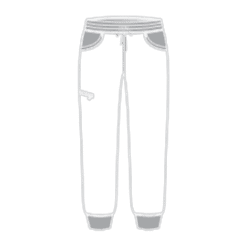
Jogger scrubs can reduce drag and distraction
Joggers are often chosen because the cuff controls the hem. That reduces friction and prevents fabric from brushing against shoes or floors. For students who walk a lot, hem control can make scrubs feel more comfortable and less irritating throughout a long day. Joggers can also feel more predictable in motion because the leg stays in place rather than shifting around while walking.
Straight-leg scrubs often feel like the safest default
Straight-leg styles offer a more traditional silhouette and a roomier feel through the lower leg. Many students prefer them for airflow and for a classic look that blends into most environments. A straight-leg option may also be more comfortable for those who dislike ankle cuffs during extended wear. If you’re unsure what your site expects, straight-leg is often the less risky “neutral” choice.
Jogger vs straight-leg comparison
| Decision factor | Jogger scrubs | Straight-leg scrubs |
| Hem control | Cuffed, less drag | Open hem, length matters |
| Fit feel | Tapered, secure | Roomier, classic |
| Airflow | Moderate | Often higher |
| Best for | Walking-heavy days | Traditional preference, layering |
| Common drawback | Cuffs aren’t for everyone | Hem can brush shoes |
Which scrub options are practical for medical students?
Medical students often want scrubs that are comfortable for extended wear, look professional without effort, and withstand frequent washing. Collections built around consistent fit and day-long wearability can be practical starting points when you’re narrowing down choices.
Two practical options to look at are Insight by Med Couture and HH Works by Healing Hands. What matters most is whether the fabric stays comfortable through long days, the fit remains stable after hours of movement and sitting, and the scrubs keep a clean look after repeat washing.

How should medical students choose scrubs based on their training stage?
Buying for the stage you’re in right now prevents wasted purchases. Student routines evolve quickly, and what feels perfect early can feel wrong later.
During the preclinical months, scrubs often appear in skills sessions and labs. Comfort, mobility, and easy laundering usually matter most because wear is concentrated and laundry frequency is high. In that stage, fewer dependable sets often beat buying a large wardrobe early.
As rotations become consistent, scrub needs often become more routine depending on service. That’s when repeat-wear comfort and durability become more important, and it may be worth expanding your set rotation to reduce laundry load volume. If scrubs show up only on certain days, staying lean keeps you flexible and prevents unused sets.
It’s also common for one rotation to change preferences quickly. Some weeks are walking-heavy, others are more observational and seated, and temperature conditions can vary. That’s why stable fit, breathable comfort, and fabric recovery tend to matter more than trying to guess the “perfect style” upfront.
FAQs
What are the best scrubs for medical students?
The best scrubs for medical students typically meet dress code requirements, remain comfortable on long days, and withstand frequent washing. Most students benefit from breathable fabric, light stretch with recovery, and a stable fit that stays consistent through walking, sitting, and skills sessions. Practical pockets and durable seams make scrubs feel dependable over time.
How many sets of scrubs should a medical student buy?
Many medical students start with three to five sets, which usually provide enough rotation to stay clean without constantly doing laundry. If you wear scrubs only for occasional labs, fewer sets can work. If you are in rotations most weekdays, additional sets can reduce stress and keep your week running more smoothly.
What color scrubs do medical students wear?
Medical student scrub colors vary by institution or rotation site. Some programs assign colors by role, while others allow flexibility. The safest approach is to confirm requirements before purchasing multiple sets in a single color. If guidance is unclear, starting with one compliant, neutral set reduces the risk of wasted purchases.
Do medical students have to buy their own scrubs?
It depends on the training environment. Some settings provide scrubs in specific areas, but many students purchase their own to ensure a consistent fit, comfort, and convenience. A low-risk approach is to start with one compliant set and add more once rules and daily usage become clear. This prevents you from buying multiple sets you might not need.
Are jogger scrubs good for medical students?
Jogger scrubs are a good choice for students who want controlled hems and less fabric drag on walking-intensive days. Straight-leg styles may be a better fit if you prefer more airflow or a classic silhouette. The best choice depends on your comfort preferences and what feels appropriate in your training environment, especially early on, when expectations can vary.
Conclusion
Good scrubs for medical students follow the rules first, then support your real routine: long days, frequent washing, and constant switching between movement and sitting. If you start with a smaller compliant set, prioritize breathable comfort and stable fit, and expand once requirements are clear, you’ll end up with scrubs that feel practical now and still work when your schedule changes.